

The history of red wine bottles is a rich tapestry that weaves together elements of culture, technology, and artistry. As a supplier of red wine bottles, I've had the privilege of delving deep into this fascinating history, and I'm excited to share it with you.
Ancient Origins
The story of red wine bottles begins thousands of years ago. In ancient times, wine was stored and transported in a variety of containers. The Egyptians, who were among the earliest wine producers, used clay amphorae. These large, narrow - necked jars were sealed with cork or resin to keep the wine fresh. The shape of the amphora was designed for easy stacking and transportation, and it was also well - suited for burying in the ground, which provided a cool and stable environment for the wine.

The Greeks and Romans also adopted the use of amphorae. Greek amphorae were often decorated with intricate designs depicting scenes from mythology, battles, and daily life. Roman amphorae, on the other hand, were more standardized in shape and size, which made them ideal for large - scale trade. The Romans were the first to introduce the concept of labeling amphorae with information about the wine, such as the vintage and the region of origin.
The Middle Ages: The Rise of Glass
The use of glass for wine storage emerged during the Roman period, but it was in the Middle Ages that glass wine bottles truly began to gain popularity. Glass offered several advantages over clay. It was more transparent, allowing the drinker to see the color and clarity of the wine. It was also less porous, which meant that it did not absorb the flavors and aromas of the wine as clay did.
However, glass production in the Middle Ages was a labor - intensive and expensive process. Glassblowers had to work with molten glass at extremely high temperatures, and the resulting bottles were often thick - walled and irregular in shape. Most glass bottles were used for high - end wines or for religious ceremonies. The Benedictine monks, who were renowned for their winemaking skills, played a significant role in the development of glass wine bottles. They experimented with different shapes and sizes to find the best container for their wines.
The Renaissance and the Standardization of Bottles
During the Renaissance, glassmaking technology advanced significantly. The invention of the blowpipe made it easier to create more uniform and thinner - walled glass bottles. This led to a greater demand for glass wine bottles, and the industry began to grow.
In the 17th century, the Dutch played a leading role in the standardization of wine bottles. They introduced the concept of a standard size and shape for wine bottles, which made it easier for winemakers to store, transport, and sell their wines. The "Hock" bottle, which is tall and slender, was one of the first standardized bottle shapes. It was originally used for storing German wines, but it soon became popular for other types of wines as well.
The development of cork stoppers also had a major impact on the history of red wine bottles. Cork is a natural material that is both flexible and airtight. It allows the wine to age gracefully by allowing a small amount of oxygen to enter the bottle, which helps to develop the wine's flavor and aroma. The use of cork stoppers became widespread in the 17th century, and it remains the most popular method of sealing wine bottles to this day.
The Industrial Revolution and Mass Production
The Industrial Revolution in the 18th and 19th centuries brought about a revolution in the production of red wine bottles. The invention of the glass - making machine made it possible to mass - produce glass bottles at a much lower cost. This led to a significant increase in the availability of glass wine bottles, and wine became more accessible to the general public.
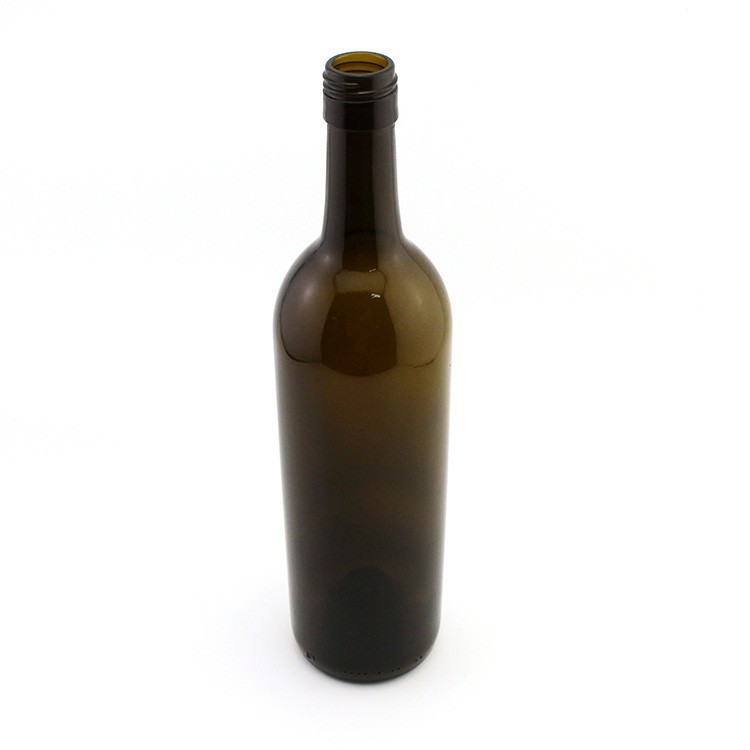
The shape and size of wine bottles continued to evolve during this period. The "Bordeaux" bottle, which is tall with high, sloping shoulders, became the standard for red wines from the Bordeaux region of France. The "Burgundy" bottle, with its wider body and more rounded shoulders, was designed for the lighter - bodied red wines of the Burgundy region. These regional bottle shapes not only helped to identify the origin of the wine but also had practical purposes. The high shoulders of the Bordeaux bottle, for example, helped to collect sediment as the wine aged.
Modern Times: Innovation and Sustainability
In modern times, the red wine bottle industry has continued to innovate. New materials and technologies are being developed to improve the quality and sustainability of wine bottles. For example, some companies are experimenting with lighter - weight glass bottles to reduce transportation costs and carbon emissions. There are also alternative closures to cork, such as screw caps and synthetic corks, which offer different levels of oxygen permeability and convenience.
As a supplier of red wine bottles, we are committed to providing our customers with the highest quality products. We offer a wide range of red wine bottles, including Glass Bottle For Wine1, Glass Bottle For Wine2, and Red Wine Glass Bottles. Our bottles are made from high - quality glass and are available in a variety of shapes, sizes, and colors to meet the diverse needs of our customers.
Conclusion and Invitation
The history of red wine bottles is a story of innovation, tradition, and craftsmanship. From the ancient clay amphorae to the modern glass bottles, each stage in the evolution of wine containers has had a profound impact on the way we enjoy wine. Whether you are a winemaker looking for the perfect bottle for your wine or a wine enthusiast interested in the history and culture of wine, we invite you to contact us for more information about our red wine bottles. We are always happy to discuss your specific requirements and to help you find the best solution for your needs.
References
- "The History of Wine" by Hugh Johnson
- "Wine Grapes" by Jancis Robinson, Julia Harding, and José Vouillamoz
- "The World Atlas of Wine" by Hugh Johnson and Jancis Robinson